

DAY 1: FRIDAY 12 DECEMBER, 4:30 – 6:00 pm
(Concurrent sessions)
1. Arts and Cultural Leadership: An Intergenerational Exchange through Storytelling
Facilitator : Audrey Wong, Programme Leader, MA Arts & Cultural Leadership, LASALLE College of the Arts, UAS
This seminar is inspired by my recent research in ground-up arts advocacy in Singapore, where a finding from interviews with arts practitioners was a ‘gap’ between generations. Between the younger and more senior practitioners, there are different preferences in terms of modes of engaging with one another, in what they perceive to be important issues, and their perspectives on history. Some arts practitioners, particularly of the younger generation, are also engaging with non-arts movements (e.g. the ecological movement), which they feel are productive learning spaces. This suggests future possibilities for cross-sectoral partnerships in advancing social causes and artistic practice. Technology and changing modes of communications have also had an impact, one of which is that interest groups are increasingly fluid and people form and re-form communities easily. As an educator whose students span a wide age range (from early 20s to 50s), I am fascinated by the intergenerational gap and hence this workshop is an exploratory foray into possible future research.
What are the concerns of each generation of arts managers and practitioners, in Singapore and Hong Kong? Are there shared concerns? What are their preferred modes of engaging with one another?
Using the concept of ‘telling stories’, this seminar is participative, and seeks to tease out shared (or radically different) concerns and find productive modes of community-building across artistic generations.
About the facilitator:
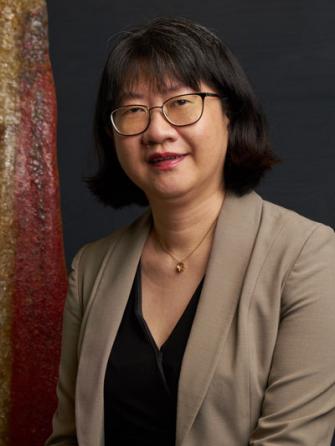 Audrey Wong is Programme Leader of the MA Arts and Cultural Leadership programme at LASALLE College of the Arts, University of the Arts Singapore. An arts educator, cultural policy expert and civil society advocate, Audrey broke ground as the first Nominated Member of Parliament for the Arts in Singapore in 2009. Prior to joining LASALLE in 2010, Audrey was Artistic Co-director of The Substation, an independent arts centre where she worked across the visual arts, performing arts, and film. She has served on the boards of the Singapore Art Museum and Mandarin theatre company Nine Years Theatre. She was also formerly a Council member of the National Arts Council and sat on the Arts and Culture Strategic Review Committee (2010–2012). Her research interests include community leadership in the arts, Singapore cultural policy, traditional arts in Singapore, and arts management practices in Southeast Asia.
2. The Cultural Futures Incubator:
Cultivating Next-Generation Praxis for the Creative Economy red
Facilitators :
- Natalia Grincheva: Cultural Futures Lab Convenor and Geospatial Predictive Analytics Sprint Leader
- Rulin Chen and Benedict Yu: The Future of Virtual Materiality & Digital Heritage Sprint Leaders
- Mika (Jaeyun) Noh: The Future of Creativity: AI-Human Co-Curation Sprint Leader
We stand at a critical juncture in the cultural sector, characterized by rapid digitalization, geopolitical instability, and climate crises. This workshop posits that foresight is an essential scholarly and practical competency. Moving beyond theoretical discourse, The Cultural Futures Incubator offers a unique participatory environment for speculative prototyping and scenario-building. Participants will engage in hands-on collaboration with emergent technologies—including VR, predictive geo-visualization, and AI authentication tools—to model, stress-test, and refine viable strategies for a resilient and equitable cultural future.
Participants will select one of three dedicated incubation sprints for intensive, hands-on development. Each sprint is designed to translate theoretical challenges into tangible prototypes.
Sprint 1: Geospatial Predictive Analytics
Natalia Grincheva
Utilizing the ‘Hallyu Tracker’—an AI-enabled geo-visualization platform—participants will analyze multivariate datasets mapping the transnational dissemination of the Korean Wave. The challenge is to extrapolate trends and simulate the potential emergence and impact of a subsequent cultural phenomenon. Output: A projected cultural diffusion model with identified key drivers and nodes.
Sprint 2: The Future of Virtual Materiality & Digital Heritage
Benedict Yu & Rulin Chen
Participants will engage with museum-grade 3D artefacts in a virtual reality environment. The challenge is to prototype new narratives through a “second creation” process, critically examining the interplay of material authenticity, digital remediation, and participatory heritage engagement.
Output: A speculative digital artifact with a defined curatorial narrative
Sprint 3: the Future of Creativity: AI-Human Co-Curation
Mika (Jaeyun) Noh
Participants will experiment with a novel application – digital certification tool that audits the proportion of human and algorithmic input in a creative work. The challenge is to prototype a governance and valuation framework for AI-collaborative art, negotiating critical questions of authorship, authenticity, and economic equity within a simulated marketplace.
Output: A provisional ethical charter and value model for a hybrid artwork.
More details about the seminar can be found at https://datatopower.net/lab/01
And for more details on the Culture Futures Lab, click here https://datatopower.net/lab
About the facilitators:
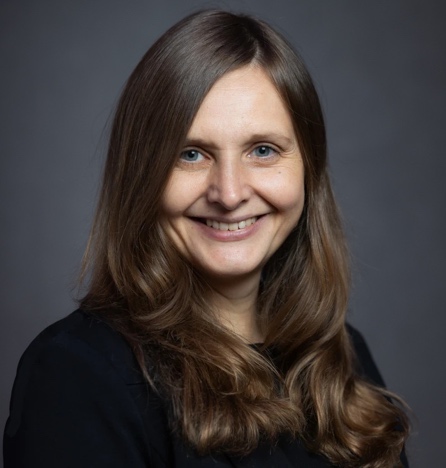 Natalia Grincheva is a Programme Leader in Arts Management at LASALLE, University of Arts Singapore, and an Honorary Senior Research Fellow in the Digital Studio at the University of Melbourne. She is an internationally recognized expert on innovative forms and global trends in contemporary museology, digital diplomacy and international cultural relations. She is the author of three monographs, Geopolitics of Digital Heritage (2024), Museum Diplomacy in the Digital Age (2020) and Global Trends in Museum Diplomacy (2019). Now she is working on a new monograph, Digital Soft Power of Heritage Media, to be published with Cambridge University Press. She is also a conceptual designer of the Data To Power application, developed for academic inductive research to facilitate the exploration of complex global phenomena through data visualization, mapping, and interactive data storytelling.
 Rulin Chen is currently an Assistant Professor at the School of Culture and Creativity, BNBU. Prior to joining BNBU, he was a postdoctoral researcher at the Computer Graphics Laboratory, Singapore University of Technology and Design, under the supervision of Prof. Peng Song, where he also received my doctoral degree in 2024. Prior to that, he earned his bachelor’s degree from Shantou University in 2020, supervised by Prof. Chuliang Wei. During 2019 to 2020, he was a research intern at CUHKSZ under the supervision of Prof. Zhenglong Sun. His research lies at the unique intersection of computer graphics and physical art/design. His work has been published in top venues in computer graphics, including SIGGRAPH, TOG, and TVCG. His Ph.D. thesis was nominated to SUTD Best Ph.D. Thesis Award and he received SIGGRAPH 2022 Best Paper Honorable Mention Award.
Mika (Jaeyun) Noh is a cultural policy strategist and AI art specialist with a background spanning government, technology, and the arts. She is currently the Chair of the AI Art Forum (AIAF), where she leads international discourse on ethical AI, cultural infrastructure, and generative creativity. She has previously served as Legislative Director at the National Assembly of the Republic of Korea and the Ministry of Culture, Sports and Tourism on national cultural and digital governance policies. She has published widely, including in ENCATC Magazine and Harvard Art Law Organization, and writes on cultural policy and the global art market. Mika also directs digital strategy and institutional partnerships at Niio Art, a global media art platform, and is the founder of Space Ba, a curatorial studio advancing cross-sector collaborations across urban regeneration, public institutions, and media art. Holding a Master’s degree in Arts Management from Korea National University of Arts and a Law degree from Ewha Womans University, she integrates creative leadership with legal and policy expertise to foster inclusive and innovation-driven cultural ecosystems.
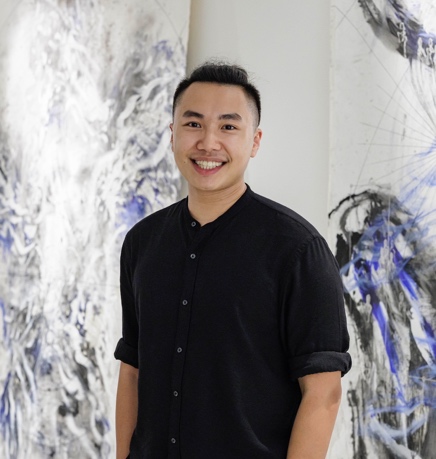 Benedict Yu is a Visceral Reality Artist, mixed reality educator, and affective reality researcher working at the intersection of art, technology, and spirituality. Based between Singapore, Taiwan and Europe, he creates virtual sanctuaries and immersive spaces designed to foster communal healing and self-reflection, particularly for unseen and marginalized communities worldwide. Yu’s artworks are held in collections such as Mapletree Investments Singapore, Mediacorp Singapore, the Courtois Collection (Paris), and GAW Capital (Hong Kong). His projects have been presented at institutions around the world, including the New Arts Museum Singapore, Asian Civilisation Museum, SomoS Berlin, Zwölf Apostel Kirche Berlin, the Courtois Collection Paris, Marina Bay Sands, Gardens by the Bay, the National Museum of Singapore, the National Design Centre, Gillman Barracks, Gajah Gallery, and Fondazione Opera Campana dei Caduti.
DAY 2: SATURDAY 13 DECEMBER, 2:30 – 3.30pm
(Concurrent sessions)
3. Supporting leadership in the arts: the personal and societal challenge of progressing culture today
Facilitator :
- Christie Anthoney, Head of External Affairs at the Adelaide Festival Centre
- Tully Barnett, Associate Professor at the University of South Australia.
Following a hunch that mid-career arts workers would be interested in an intensive professional development opportunity focused on leadership, Adelaide Festival Centre developed a four-day selective course fully funded by a philanthropist. Offered free, there is also a scholarship to assist participants from Asia to access the program by providing travel and accommodation. The program has received an overwhelmingly positive response, both in its number of applicants and the feedback offered by participants. With only 20 places offered to ensure the experience is personal and collegiate, hundreds of applicants are now turned away. The programme has struck a chord in part because of the numerous tensions arts workers face in the work they do and the complexities around ongoing learning opportunities especially at mid-career stage. On the one hand arts workers support artists to be bold, smash stereotypes and drive cultural change, whilst also working within colonial and neoliberal structures and systems that can contradict the artmaking.
Now in its third year, the programme offers a time to think about and a network to support responding to this contradiction on an individual level, whilst also providing skills to tackle the business world realities. It has found a sweet spot with the national and international arts sector, but it has struggled to find a home with the university sector. Too short, too intimate, too industry led and with shared IP, the challenge to provide it as a micro-credential, a Topic or even just for credit to an existing degree has not yet been realised.
In this presentation, we explore different kinds of learning around leadership in the arts across formal and workplace settings followed by a practical exercise examining the issues at the core of arts leadership.
About the facilitators:
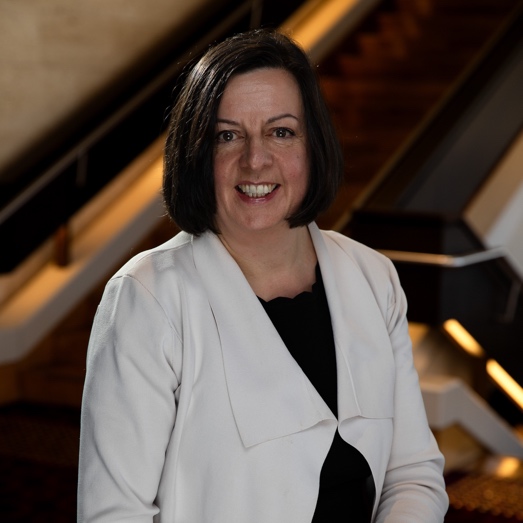 Christie Anthoney is Head of External Affairs at the Adelaide Festival Centre. Christie is an experienced arts leader with a background in festivals, local government, education and venue management. She has a strong commitment to social outcomes that progress creativity, support artists and generate wellbeing for all. Through working in Scotland, Canada and across Australia, Christie has built a vast network that she draws on for inspiration and connection. She feels purpose in assisting creativity to be used and valued by all citizens. Christie is currently the Head of External Affairs at the Adelaide Festival Centre, the largest arts complex in South Australia with a mix of commercial and public purpose arts programming and a million visitors annually. Christie is also Deputy Chair at Vitalstatistix Theatre Company, lectures at Flinders University and is co-owner of a neighbourhood Café in Alberton, The Pear Coffeehouse.
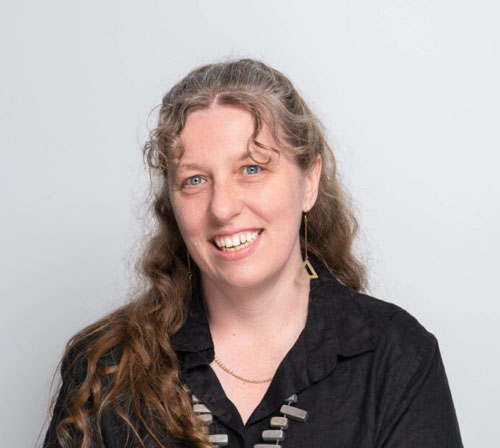 Tully Barnett is an Associate Professor at the University of South Australia (which will become Adelaide University in 2026). Her teaching and research focus on cultural policy and cultural value and on digital cultural experience, policy and labour. She is a Chief Investigator on the Linkage project Laboratory Adelaide: The Value of Culture, which considers the theoretical and practical problems in how value is understood, assessed, and reported in the arts and culture sector. An outcome of that project is the co-authored book What Matters? Talking Value in Australian Culture (2018). More recently, her research considers the way concepts from heterodox economics might serve as useful models for public value in the arts such as doughnut economics and foundational economy approaches. She is a founding member of Reset Arts and Culture and co-author of its position paper For a Progressive Arts and Culture Policy Agenda in Australia. In 2024-2025 Tully is serving as an expert for the UNESCO reflection group on the diversity of cultural expressions in the digital environment
4. Generative AI and Copyright in Comparative Perspective: Cultural Policy Dialogues across Asia and Beyond
Facilitators :Takao Terui, Assistant Professor at the Academy of Film and Creative Technology, Xi’an Jiaotong Liverpool University (XJTLU)
The development and use of generative AI have significantly influenced the creative industries and prompted changes in cultural policy, particularly in the area of copyright. This presentation compares the responses of the UK, Japanese, and Singaporean governments, as well as campaigns led by creative industry workers, in addressing the impact of generative AI on cultural production. It highlights contrasting approaches to balancing the rights of domestic creators with the promotion of AI innovation, including the use of copyright exceptions for text and data mining. Drawing on case studies from these three countries, this presentation explores how institutional and political contexts, along with existing copyright frameworks, have shaped innovation-driven and techno-optimistic policy approaches. In many cases, these have taken precedence over the protection of creators’ rights.
Building on my comparative analysis, the seminar invites participants—particularly early-career scholars—to share their own insights on two key questions:
- How have national or local cultural policies in your field responded to the challenge of protecting copyright while promoting AI?
- How are individual creatives or cultural organisations navigating the emergence of generative AI, whether as a risk, a tool, or an opportunity?
By bringing together the cases with audience perspectives, this seminar seeks to advance discussions in comparative cultural policy and foster dialogue within inter-Asian cultural policy research. It also considers how Asian countries might develop new models of cultural relations, technologies, and shared cultural resources in an era shaped by generative AI.
About the facilitator:
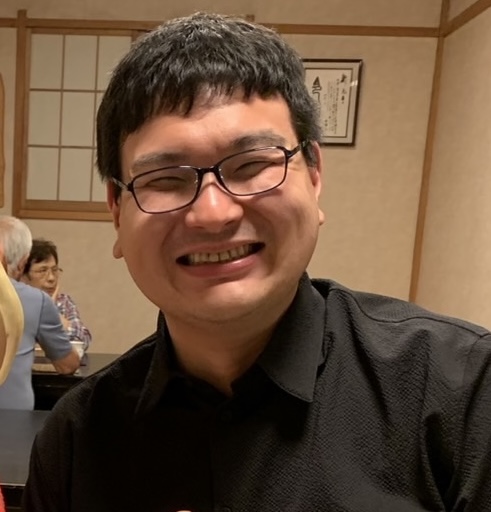 Takao Terui is an Assistant Professor at the Academy of Film and Creative Technology, Xi’an Jiaotong Liverpool University (XJTLU). Takao completed his PhD in Culture, Media and Creative Industries at King’s College London and earned an MA with Distinction in International Cultural Policy from the University of Warwick. His research adopts an international and comparative approach to examine the impacts of new technologies on state-market-civic relations in creative industries and cultural policies. Takao’s work has been published in leading journals, including Media, Culture & Society, International Journal of Cultural Policy, and Journal of Arts Management, Law and Society. His current research focuses on the implications of generative AI for cultural production, approached from an East-West comparative perspective.